Physiotherapy vs Kinesitherapy in Switzerland: What's the Difference in Geneva?
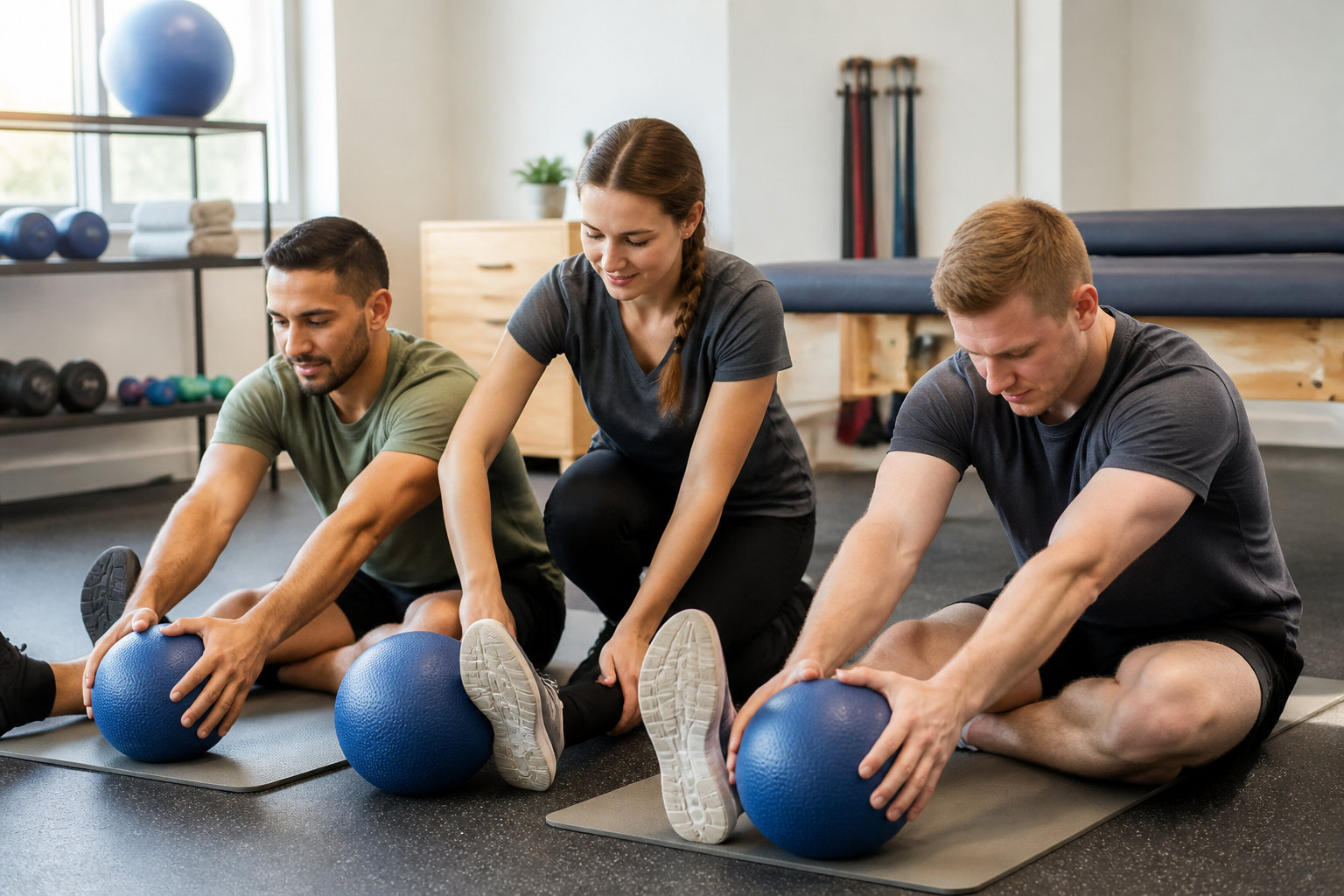
In Switzerland, physiotherapist and kinesitherapist refer to the same profession. Physiotherapist is the official title, protected by law. Kinesitherapist is the French equivalent used across the border. Same training, same competences, just a different word depending on which country you are in. Sessions are covered by Swiss basic health insurance (LAMal/KVG) with a medical prescription.
Contents
Two Words, One Profession
The confusion comes from geography, not competence. In France, the standard term is kinesitherapist. In Switzerland, Canada and most French-speaking countries outside France, the word is physiotherapist. Training is equivalent, and practitioners can move across the Swiss-French border through simplified recognition procedures.
Physiotherapist is the official, legally protected title in Switzerland. Kinesitherapist is its French counterpart. Same competences, same degree level — only the national convention differs.
The etymology behind the Swiss title
Physiotherapy comes from the Greek physis, meaning nature, and therapeia, meaning care. It refers to the therapeutic use of natural physical agents: movement, heat, water and light. This root reflects a care philosophy that draws on the body's own resources rather than pharmacological substances.
Swiss law strictly protects this title. Only a practitioner holding a recognised degree and a cantonal licence may call themselves a physiotherapist. This protection guarantees a consistent level of training across the country.
The term physiotherapy in Switzerland emphasises the therapeutic use of movement and natural agents to restore the body's capacity.
What a Physiotherapist Actually Does
Functional rehabilitation is at the core of the work: restoring mobility, strength and coordination after an injury, surgery or persistent pain. The patient is an active participant, not a passive recipient.
Manual therapy and active work
Joint mobilisations restore lost range of motion. Muscle strengthening rebuilds stability. Stretching loosens stiffened structures. These three components form the basis of most treatment plans.
The physiotherapist uses their hands to assess and treat: palpating muscle tension, mobilising a stiff joint, releasing scar tissue. This manual work is always paired with exercises the patient practises independently between sessions.
Musculoskeletal system (back, shoulder, knee, ankle), neurology (stroke, multiple sclerosis), post-operative rehabilitation, sports medicine, respiratory physiotherapy and paediatrics.
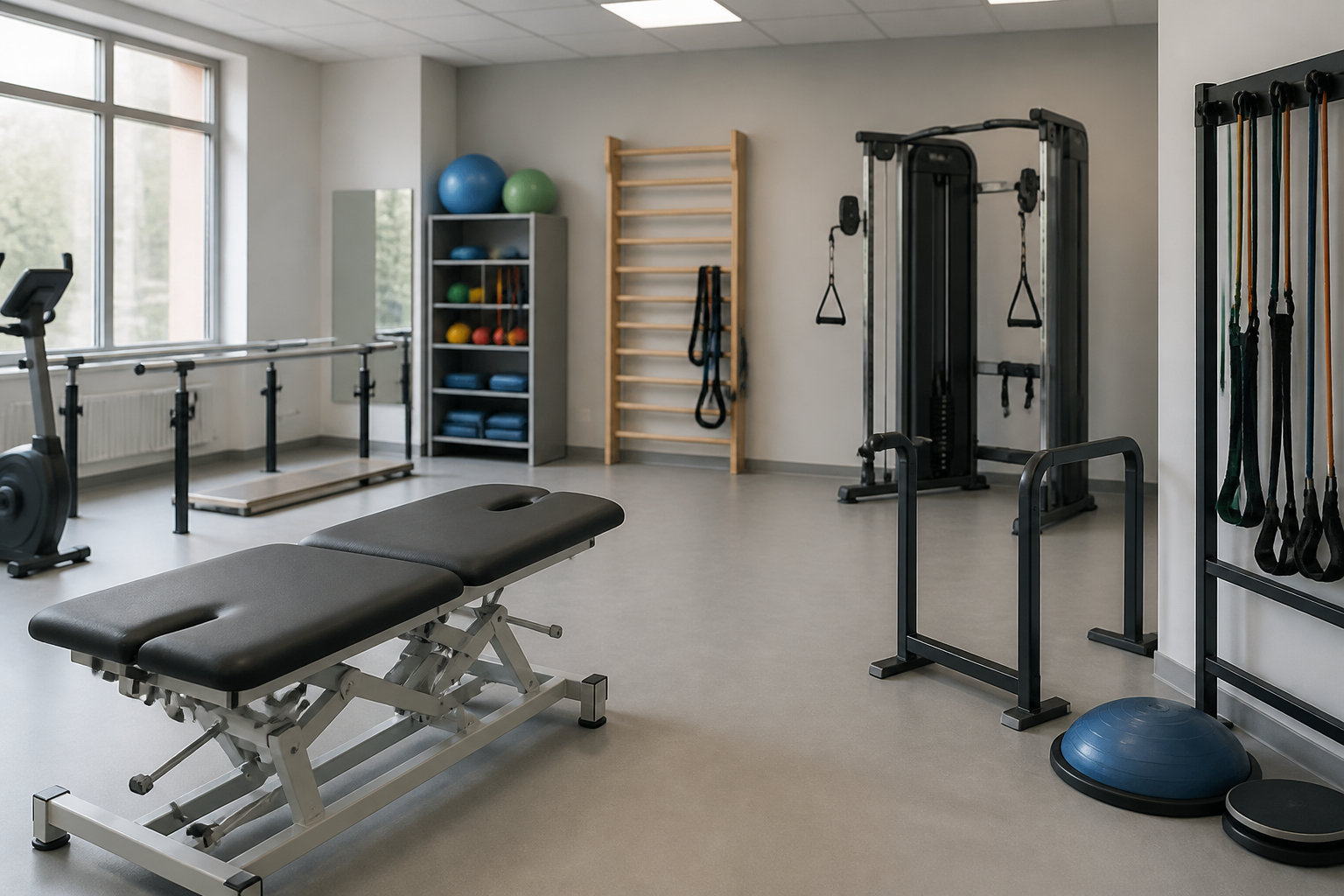
Equipment and technology in the practice
Physical modalities complement manual work when the clinical picture calls for them:
- Electrotherapy for acute pain modulation
- Ultrasound for tendon inflammation
- Shockwave therapy for chronic tendinopathies
- Pneumatic compression for lymphatic drainage
These tools are not meant to replace movement but to create the conditions in which movement becomes possible again. A tendon too painful to load may benefit from shockwave treatment before starting an eccentric loading protocol.
An evidence-based approach
Every protocol draws on clinical evidence. The initial assessment guides the choice of techniques and the goals for each session. The treatment plan adjusts according to actual progress, not a fixed timeline set at the start.
Initial assessment in Geneva
No referral needed. Precise diagnosis and a programme adapted to your situation.
Qualifications, Referrals and Insurance Cover
Training required to practise
A Bachelor of Science in physiotherapy (three years at a university of applied sciences, HES) is the minimum required to practise in Switzerland. The programme combines theoretical teaching, anatomy, biomechanics and many weeks of supervised clinical placement. A cantonal practice licence is then required before opening a practice.
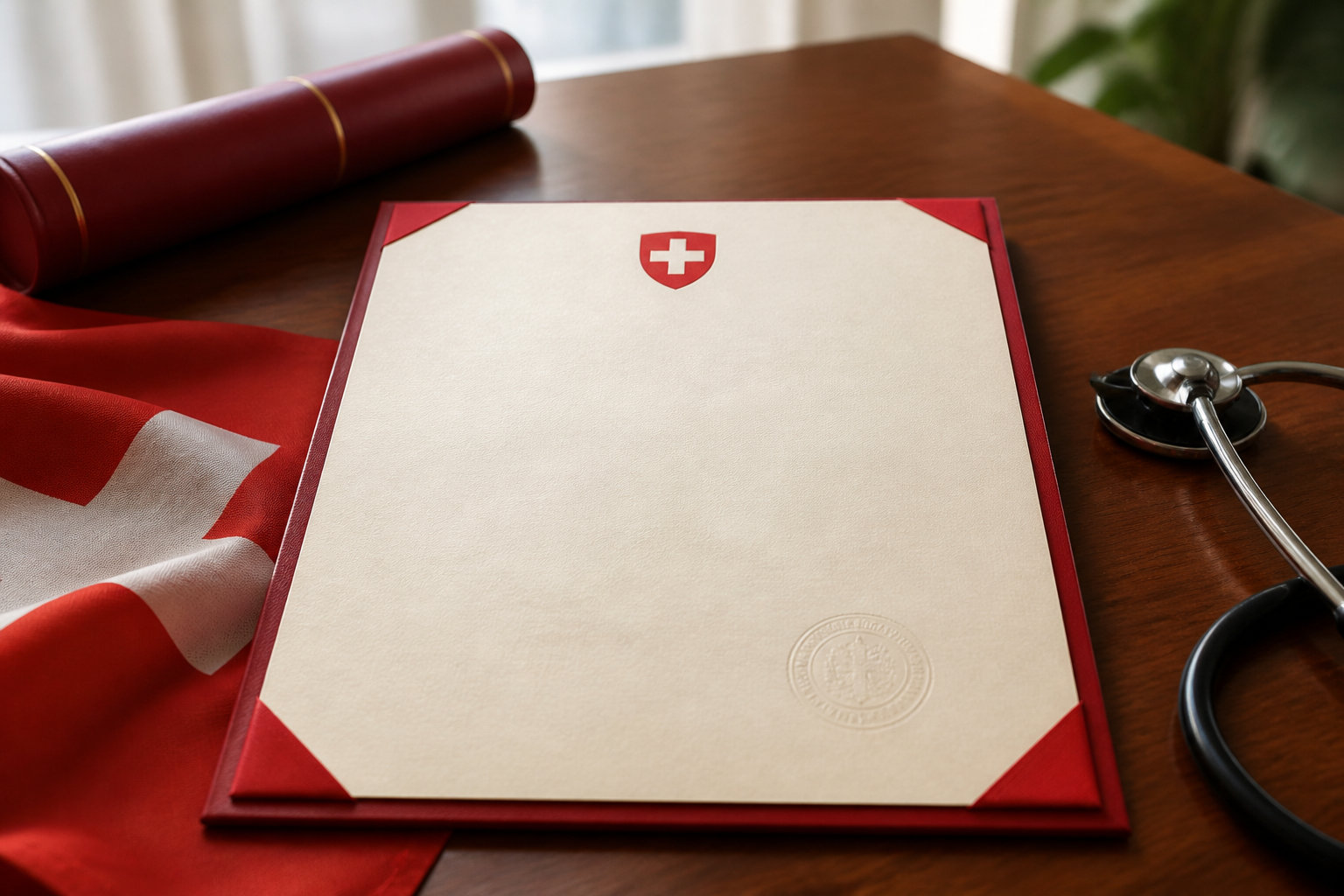
Some practitioners go on to complete a specialised Master's degree — in sports pathology, manual therapy or neurology — to deepen their expertise in a specific area. Samuel Monderer holds two Master's degrees: one from UCLouvain (sports pathology and manual therapy) and one from ULB Brussels (physiotherapy and rehabilitation).
Medical referral and LAMal insurance cover
Basic health insurance (LAMal/KVG) covers sessions with a medical prescription. The referral specifies the number of sessions authorised — generally nine per series — and treatment must begin within five weeks of the prescription date for cover to remain valid.
| Access type | Prescription | Cover | Advantage |
|---|---|---|---|
| Via GP or specialist | Yes | LAMal (after deductible) | Coordinated care |
| Direct access | No | Patient pays | No wait |
| Accident (LAA/UVG) | Yes | 100% | Full cover |
Consulting without a prescription remains possible for preventive follow-up or a sports assessment, for example. In that case the session is paid out of pocket. Some supplementary insurance plans partially reimburse these sessions depending on the contract.
The annual deductible applies before LAMal reimbursement kicks in. Once the deductible is reached, insurance covers 90% of the billed amount. Supplementary insurance can cover the remaining 10% depending on your policy.
Physio, Osteo, Kinesiology: Who Does What
The three disciplines look similar from a distance but follow different logics. Understanding the distinctions helps you find the right practitioner for your situation.
Physiotherapy and osteopathy
Physiotherapy targets a specific area using active exercises and physical modalities. The goal is functional: recovering a particular range, strength or coordination. Osteopathy takes a broader approach, using exclusively manual techniques to address diffuse tension patterns throughout the whole body.
Targeted rehabilitation, active exercises, physical modalities, evidence-based. Covered by LAMal with a prescription.
Global approach, manual techniques only, whole-body balance. Partially reimbursed by supplementary insurance depending on the policy.
The two disciplines are often complementary. Osteopathic treatment can address global compensatory patterns while physiotherapy targets the specific injured area.
Kinesiology: a different discipline
Kinesiology should not be confused with kinesitherapy. It works with the body's energy and muscular responses to emotional or nutritional stimuli. It is not a functional rehabilitation discipline and is not recognised by LAMal.
Matching the practitioner to the problem
Localised pain after an injury or surgery: physiotherapy. Diffuse pain with no clearly identified cause: osteopathy may be a first step. Sports performance assessment or injury prevention: a physiotherapist specialised in sports medicine.
Specialisation matters when choosing a practitioner. A physiotherapist trained in manual therapy and sports medicine will read a swimmer's shoulder differently than a generalist. The initial assessment, which usually lasts 45 to 60 minutes, is the moment to describe your goals and check that the therapist's approach suits your situation.
Frequently Asked Questions
No. Both terms refer to the same profession. Physiotherapist is the official title, legally protected in Switzerland. Kinesitherapist is the standard French term for the same training and the same competences.
A French kinesitherapist can have their diploma recognised in Switzerland through simplified procedures under bilateral agreements. In Geneva, most cross-border practitioners come with this profile.
A medical prescription is required for reimbursement by basic insurance (LAMal/KVG). Sessions are grouped in series of nine, and treatment must start within five weeks of the prescription date.
Once the annual deductible is reached, LAMal covers 90% of the billed amount. Without a prescription, sessions are paid out of pocket. Some supplementary insurance plans cover part of these costs depending on the contract.
Physiotherapy targets a specific area with active exercises and physical modalities. Osteopathy takes a global approach and relies solely on manual techniques to release diffuse tension patterns throughout the body.
The two disciplines are often complementary. It is common to receive osteopathic treatment alongside physiotherapy rehabilitation for the same back or shoulder problem.
A Bachelor of Science in physiotherapy (three years at a university of applied sciences) is the minimum required, followed by a cantonal practice licence. This training guarantees a consistent level across the whole of Switzerland.
Some practitioners add a specialised Master's degree — in sports pathology, manual therapy, neurology or paediatrics — to deepen their expertise. This additional training often shows in the precision of the clinical assessment.