ACL Rehabilitation in Geneva: Prehab, Protocol and Return-to-Sport Criteria
Returning to sport before 9 months multiplies re-rupture risk by 7. This figure does not depend on how you feel: it reflects the biological timeline of the transplant.
The ACL rupture is one of the most significant injuries in sport. Surgery is often necessary but it is only the beginning. What determines whether you return to sport without re-rupturing is the quality of rehabilitation over the following months.
Contents
Prehab before surgery
Prehab, the rehabilitation phase before surgery, improves outcomes significantly. Patients who arrive at surgery with good quadriceps strength and full range of motion recover faster in the early post-operative months and achieve better functional results at 6 and 9 months.
The goals of prehab are specific: reach full extension (0°), reduce joint effusion, activate the quadriceps and gluteal muscles and work the proprioception of the injured knee. Two to four weeks of prehab, when it is medically possible, changes the starting point for surgery.
- Full knee extension (0°)
- Reduced effusion
- Quadriceps activation
- Gluteal and hip strengthening
Early post-operative phase
The first two weeks after surgery focus on two things: restoring full extension and getting the quadriceps to fire again.
Full extension from day one
Full extension (0°) must be regained in the first two weeks. Any extension deficit that persists beyond this window becomes progressively harder to correct and leads to abnormal load distribution on the knee. This is not negotiable. The protocol requires passive extension work from the first post-operative day, even when it is uncomfortable.
Full extension matters more in week one than strength. A degree of flexion contracture that seems minor becomes a lasting problem.
Quadriceps inhibition
After knee surgery, the quadriceps shuts down as a reflex. This is not weakness: the nervous system inhibits muscle contraction to protect the joint. Restoring voluntary activation requires specific neuromuscular work before any loading makes sense.
Electrostimulation, quad sets and straight leg raises are the first tools. The objective is to see the quadriceps contract visibly before progression.
Walking and early load
Weight-bearing typically starts on day one with crutches. The timeline for ditching crutches depends on the graft type and the surgeon's protocol, but the principle remains: progressive loading with objective milestones, not time-based transitions.
Quadriceps and hamstring strengthening
Months 2 to 6 are the phase where re-rupture risk is highest and rehabilitation is most technical. The graft is in its weakest state during ligamentisation.
The ligamentisation biology
The transplant is not a ligament when it is implanted. It undergoes a biological process called ligamentisation over 6 to 9 months, during which it is progressively vascularised and remodelled. At the 3 to 4 month mark, the graft is at its weakest mechanically. This is also when athletes feel well enough to want to do too much.
Running criteria
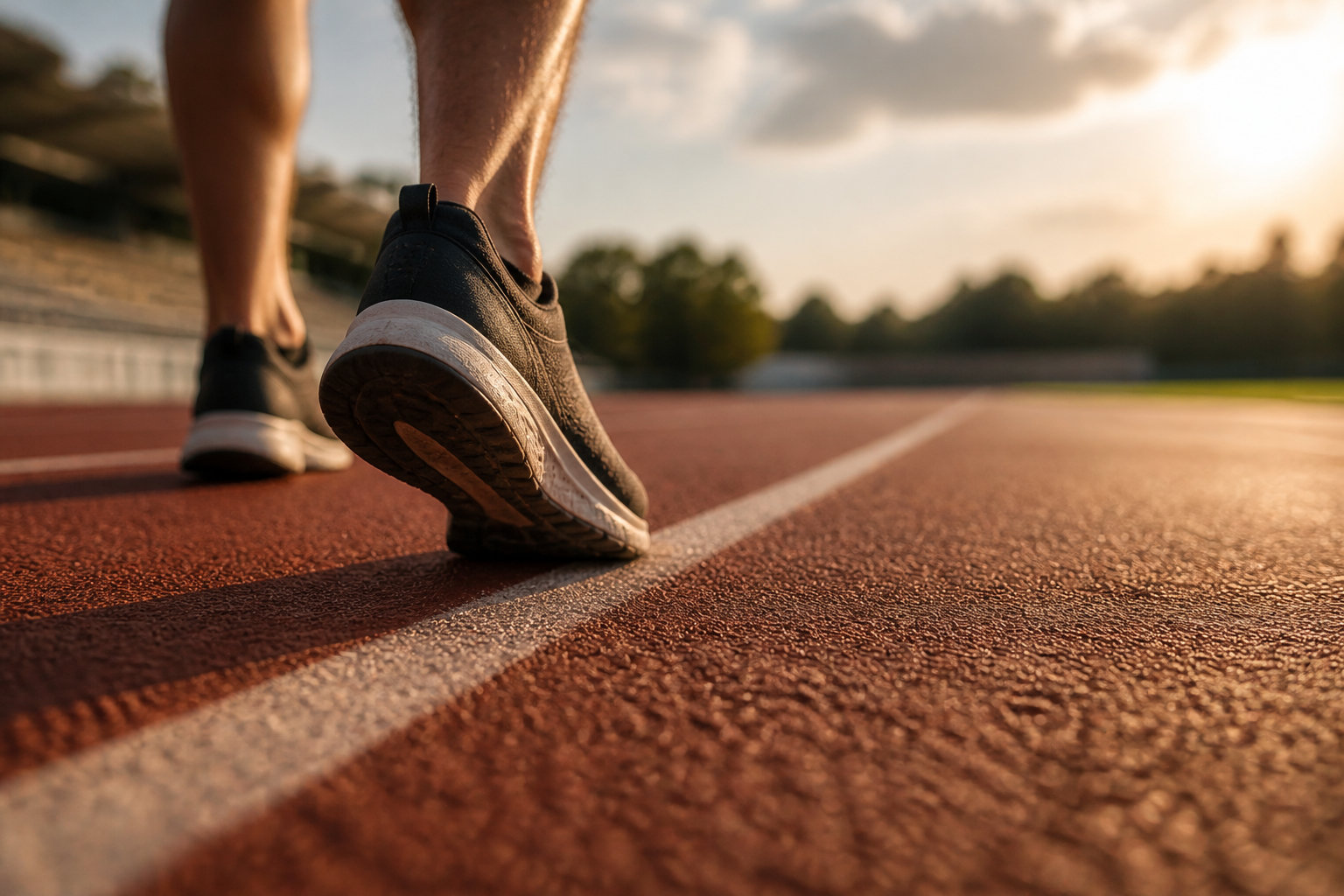
Running typically resumes between months 3 and 4. Three criteria must all be present simultaneously: quadriceps strength above 70% of the uninjured side, pain below 2/10 at full load and no joint effusion after exercise. Proceeding without meeting all three carries a disproportionate mechanical risk.
| Phase | Timeline | Main focus |
|---|---|---|
| Post-op early | Weeks 1 to 6 | Extension, quadriceps activation |
| Strengthening | Months 2 to 4 | Load progression, gait |
| Running | Months 3 to 4 | Criteria-based progression |
| Agility | Months 5 to 7 | Change of direction, neuromuscular control |
| Return to sport | From month 9 | Isokinetic criteria, functional tests |
ACL rehabilitation assessment in Geneva
No referral needed. Objective programme from prehab to return to sport.
Return-to-sport criteria
Nine months is the minimum, but it is not sufficient on its own. Objective criteria must be met regardless of how the athlete feels.
Isokinetic testing
Isokinetic testing measures quadriceps and hamstring torque at a standardised velocity. The target is 90% symmetry between injured and uninjured sides. This is the only way to know whether the muscle is genuinely ready to absorb the loads of sport. Subjective assessment misses deficits that expose the graft to re-rupture.
Functional battery
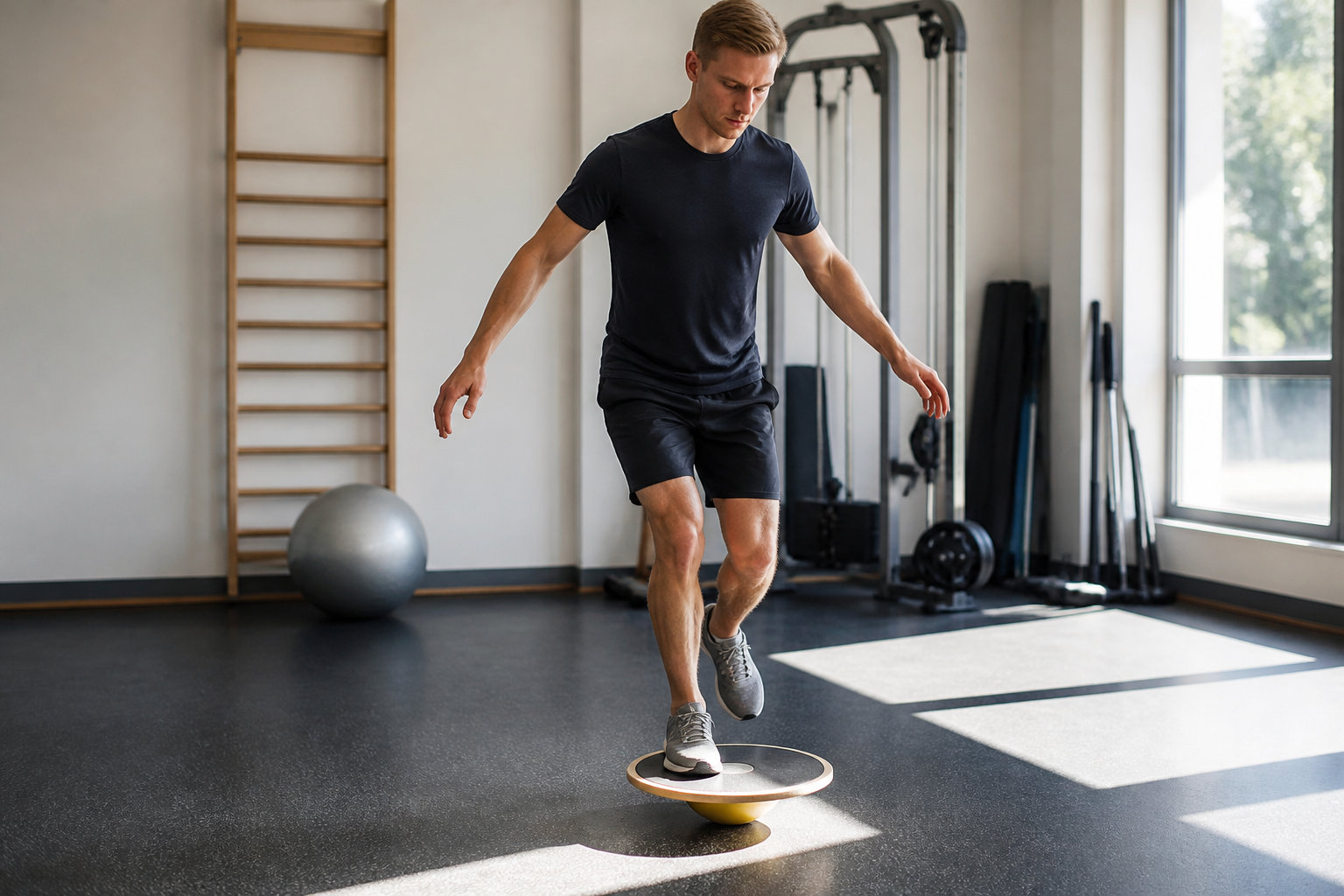
In addition to isokinetic testing, a functional battery is used: single-leg squat, Triple Hop Test, Y Balance Test and sport-specific movement analysis. The goal is to ensure the knee holds up under dynamic load before the athlete faces the unpredictability of competition.
- Minimum 9 months from surgery
- Isokinetic symmetry ≥ 90%
- Triple Hop Test ≥ 90% symmetry
- No effusion after training
- Full range of motion
- Psychological readiness
Frequently asked questions
Full return to sport after ACL reconstruction takes 9 months at minimum. Before 9 months, re-rupture risk is 7 times higher than after. This duration is biological: the transplant goes through a ligamentisation process that cannot be shortened.
Running typically resumes between months 3 and 4. Three criteria must be met simultaneously: quadriceps strength above 70% of the uninjured side, pain below 2/10 at full load and no joint effusion after exercise.
Isokinetic testing measures quadriceps and hamstring strength at a controlled velocity. The target before return to sport is 90% symmetry between injured and uninjured legs. This is an objective criterion that supplements functional tests and allows informed, not subjective, decisions about readiness.
Yes. Prehab improves short-term outcomes significantly. Patients who reach surgery with good quadriceps strength and full range of motion recover faster and achieve better functional results. Two to four weeks of structured prehab changes the starting conditions for post-operative rehabilitation.
In some cases, yes. Athletes with low rotational demands may be managed conservatively. This requires intensive rehabilitation and carries a higher long-term instability risk for pivot sports. The decision depends on the sport, level of activity and associated injuries.